 111
111 2
2 3
3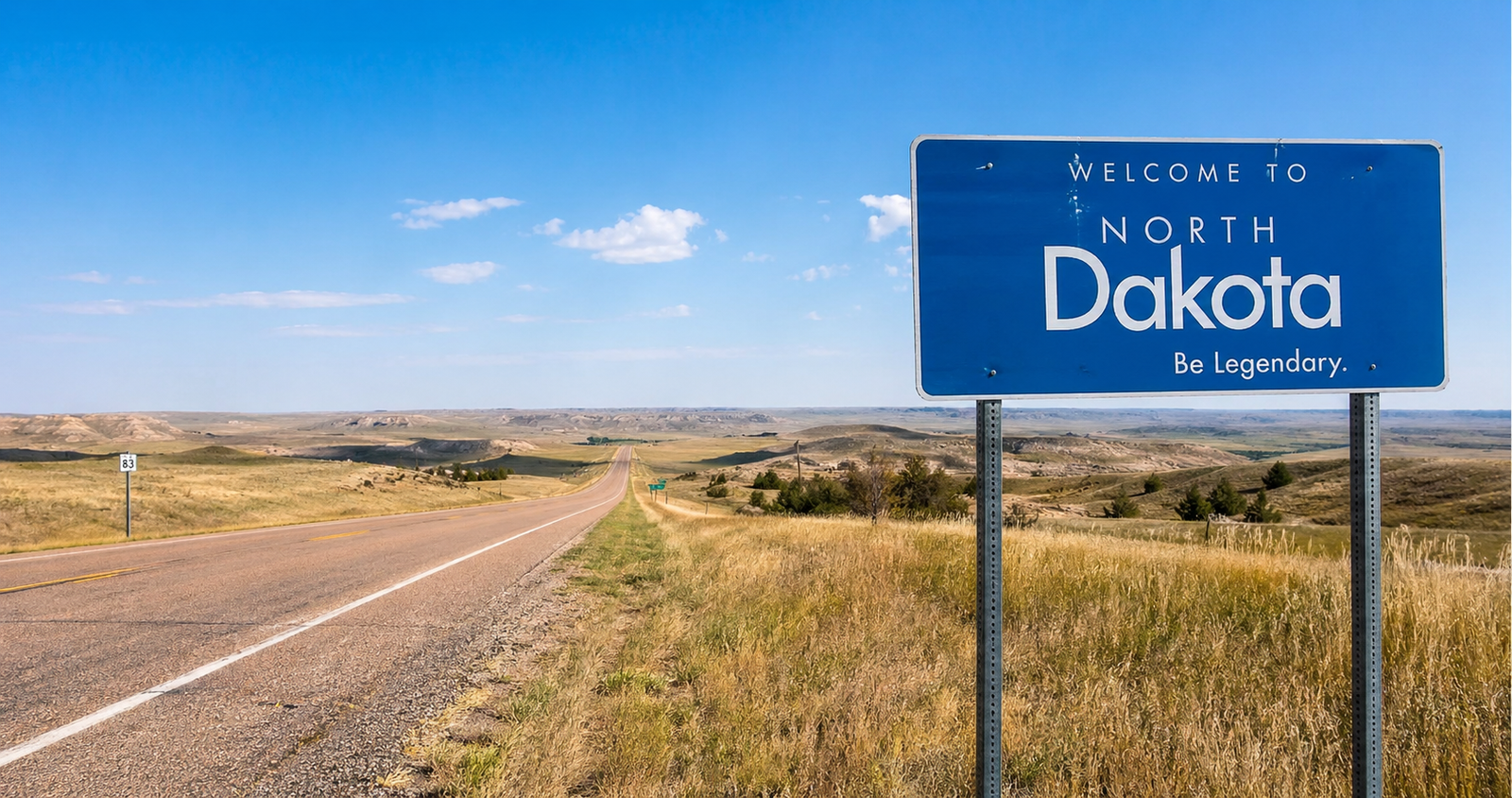
The story of severna dakota begins with a landscape that feels both vast and quietly powerful, where open skies stretch endlessly over rolling plains and rivers carve gentle paths through the land. severna dakota is often imagined as a place shaped by resilience, where communities have learned to adapt to shifting seasons and long horizons. Life in severna dakota carries a rhythm that is slower than many modern regions, yet deeply connected to nature and tradition.
In severna dakota, every season leaves a distinct mark. Winters bring sharp winds and white blankets of snow, while summers open up fields of green and gold. The identity of severna dakota is closely tied to its environment, influencing how people live, work, and interact with the land. Understanding severna dakota means exploring not just geography, but also culture, history, and the everyday experiences of its people.
The geography of severna dakota is defined by wide prairies, gentle hills, and fertile agricultural land. The region is known for its expansive views, where one can often see the horizon without interruption. severna dakota includes a mix of flat plains and slightly elevated areas that shape weather patterns and farming practices.
Rivers play a vital role in severna dakota, providing water sources that support agriculture and wildlife. These waterways have historically guided settlement patterns, allowing communities in severna dakota to thrive near reliable resources. The soil in many parts of severna dakota is rich and productive, making farming one of the most important activities in the region.
The natural environment of severna dakota also supports a variety of wildlife. Birds, deer, and small mammals are commonly found across its grasslands. Seasonal changes bring dramatic transformations, especially when snow covers the land in winter or wildflowers bloom in spring across severna dakota.
The history of severna dakota is shaped by migration, settlement, and cultural exchange. Long before modern development, Indigenous communities lived across the lands of severna dakota, forming deep connections with nature and establishing traditions that continue to influence the region today.
As settlers arrived in severna dakota, agriculture became a central part of life. Early communities faced challenges such as harsh weather and isolation, but over time they built towns, roads, and infrastructure that supported growth. severna dakota developed gradually, with farming and trade playing major roles in shaping its identity.
Railroads and transportation networks further transformed severna dakota, linking rural areas with larger markets. This period marked significant economic and social change, allowing severna dakota to expand its influence and strengthen its communities. The historical journey of severna dakota reflects both struggle and progress, forming a foundation for its present-day character.
The economy of severna dakota is deeply rooted in agriculture, energy, and small businesses. Farming remains one of the strongest pillars, with crops such as wheat, corn, and barley grown across the fertile lands of severna dakota. Livestock farming also contributes significantly to the regional economy.
In recent decades, severna dakota has experienced diversification. Energy production, including oil and renewable sources, has created new opportunities for employment and development. This shift has helped strengthen the financial stability of severna dakota while attracting investment and infrastructure growth.
Daily life in severna dakota reflects a balance between tradition and modern convenience. Many communities maintain close-knit relationships, where local events and gatherings play an important role. Despite modernization, severna dakota continues to preserve a sense of simplicity and connection to nature.
Culture in severna dakota is a blend of historical influences and local traditions. Festivals, fairs, and seasonal celebrations bring communities together, highlighting the shared values of hard work, hospitality, and unity. In severna dakota, cultural identity is often expressed through music, storytelling, and local craftsmanship.
Family and community remain central to life in severna dakota. People often support each other through farming seasons, weather challenges, and community events. This strong sense of togetherness has helped maintain stability and harmony across generations in severna dakota.
Art and heritage also play an important role. Museums and cultural centers across severna dakota preserve artifacts and stories that reflect the region’s journey through time. These cultural elements help younger generations understand the roots of severna dakota and appreciate its evolving identity.
Education in severna dakota has grown steadily over the years, with schools and institutions focusing on both academic learning and practical skills. Many communities in severna dakota prioritize education as a way to prepare future generations for changing economic demands.
Cities in severna dakota vary from small rural towns to more developed urban centers. Each city has its own character, shaped by local industries and cultural influences. Urban areas in severna dakota offer modern amenities, while rural regions maintain traditional lifestyles.
Technological progress has also reached severna dakota, improving communication, healthcare, and infrastructure. While the region continues to grow, it still preserves its natural and cultural essence, making severna dakota unique in its balance between development and tradition.
Tourism in severna dakota is closely tied to its natural landscapes. Visitors are often drawn to the open plains, scenic rivers, and peaceful environment that define severna dakota. Outdoor activities such as hiking, fishing, and wildlife observation are popular among both locals and travelers.
The changing seasons add to the charm of severna dakota. Spring brings fresh greenery, summer offers warm and vibrant fields, autumn paints the land in golden tones, and winter transforms severna dakota into a quiet, snow-covered world.
Historical landmarks and cultural sites also attract interest. These places in severna dakota provide insight into the region’s past and help visitors understand its development over time. The calm and spacious environment of severna dakota offers a refreshing escape from busy urban life.
The essence of severna dakota lies in its harmony between land, people, and tradition. From its wide landscapes to its strong communities, severna dakota represents a place where history and modern life coexist. Its agricultural roots, cultural depth, and natural beauty continue to shape its identity.
Even as severna dakota evolves, it remains grounded in values that emphasize resilience, community, and respect for nature. The story of severna dakota is not only about geography or development but also about the people who continue to build their lives within it. This enduring connection ensures that severna dakota will always hold a distinct place in the broader regional landscape.
What makes severna dakota unique compared to other regions?
severna dakota is known for its wide landscapes, strong agricultural base, and close-knit communities that maintain traditional values while adapting to modern changes.
What is the main economic activity in severna dakota?
Agriculture is the primary economic foundation of severna dakota, supported by energy production and growing small businesses.
How is the climate in severna dakota throughout the year?
severna dakota experiences all four seasons distinctly, with cold winters, warm summers, and transitional spring and autumn periods.
Is severna dakota a good place for tourism?
Yes, severna dakota offers natural beauty, peaceful landscapes, and cultural heritage sites that attract visitors seeking calm and outdoor experiences.
How has severna dakota developed in recent years?
severna dakota has expanded in infrastructure, education, and energy sectors while still preserving its traditional and rural character.
Read more: Understanding mmsbre and Its Growing Digital Importance