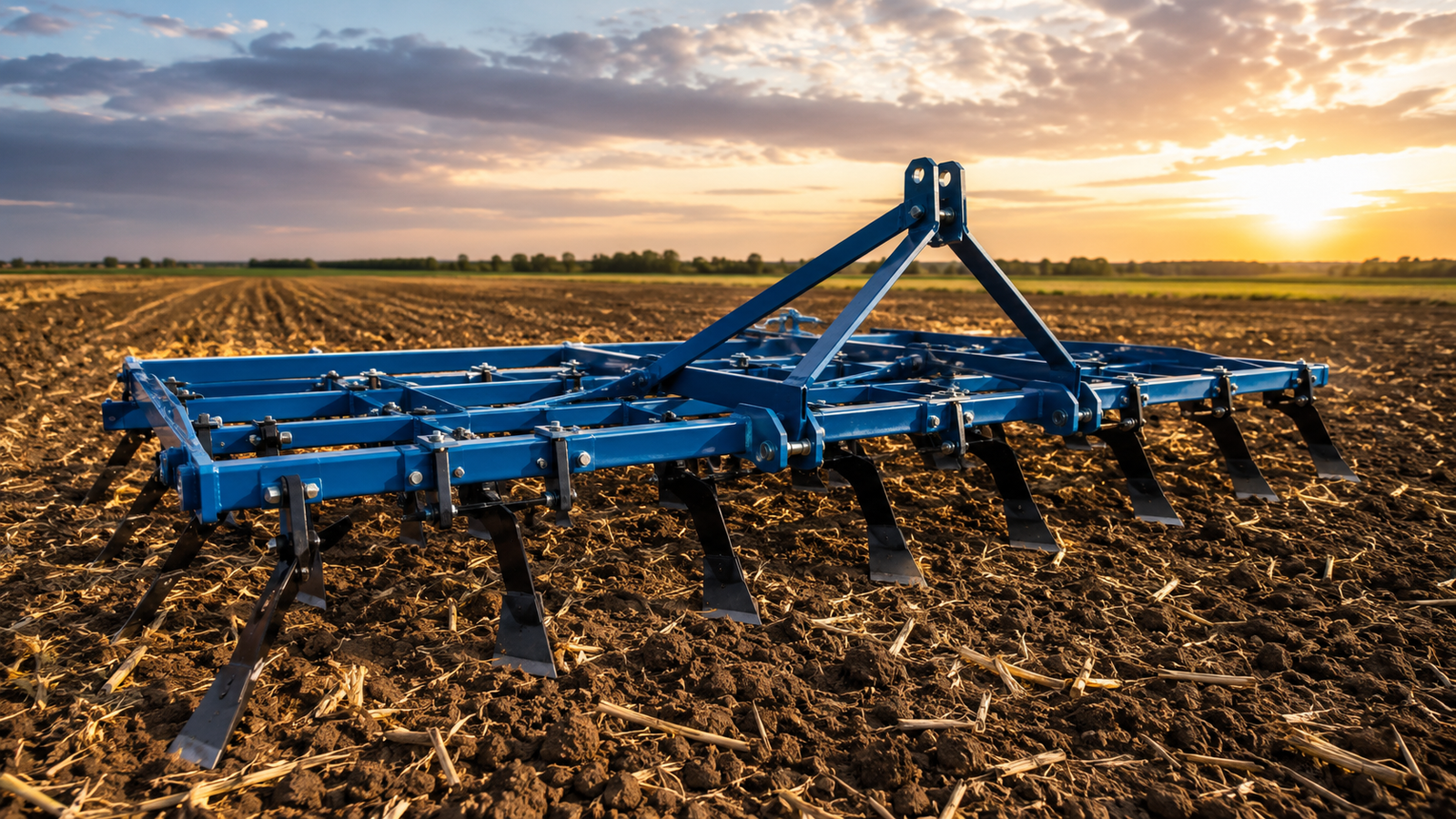
The term messeregge has gained attention among people interested in agriculture, farming equipment, and even online research about specialized German machinery. While it may not be a commonly used word in everyday English, messeregge refers to an important agricultural implement designed to improve soil preparation and support efficient crop production. Farmers who practice modern cultivation often rely on this equipment to create an ideal seedbed while minimizing unnecessary soil disturbance.
Understanding messeregge is valuable for farmers, agricultural students, machinery enthusiasts, and anyone exploring sustainable farming techniques. As farming technology continues to evolve, implements like the messeregge play an essential role in increasing productivity, improving soil health, and reducing operational costs. Its ability to prepare land efficiently makes it a useful addition to many agricultural operations.
This guide explains everything you need to know about messeregge, including its meaning, history, construction, working principle, benefits, limitations, maintenance requirements, and its place in modern agriculture.
What Is Messeregge?
A messeregge is an agricultural tillage implement commonly known as a knife harrow or blade harrow. It is designed to loosen the upper layer of soil, cut crop residue, and prepare farmland before planting. Unlike heavy tillage equipment that turns over large amounts of soil, a messeregge performs shallow cultivation, helping maintain soil structure while improving seedbed quality.
The primary purpose of a messeregge is to enhance field conditions for successful crop establishment. It works by slicing through surface material, breaking soil crusts, and creating a level planting surface. Because of its efficient design, it has become a valuable tool in conservation farming and sustainable agriculture.
The Origin of the Word Messeregge
The word messeregge originates from the German language. It combines two words: “Messer,” meaning knife, and “Egge,” meaning harrow. Together, the name accurately describes an agricultural implement equipped with knife-like blades used for cultivating the soil.
Over the years, the term has become recognized within agricultural machinery catalogs and farming discussions. Although it remains primarily associated with German-speaking regions, its function is understood by farmers and equipment manufacturers around the world.
How a Messeregge Works
A messeregge operates by pulling rows of sharp blades through the upper layer of soil. These blades slice crop residue, loosen compacted soil, and break small clods without deeply disturbing the ground. This creates favorable conditions for seed germination while preserving beneficial soil organisms.
The implement is usually attached to a tractor, allowing farmers to cover large areas efficiently. Modern versions are engineered for consistent depth control, ensuring uniform cultivation across the field. This precision contributes to better planting conditions and improved crop performance.
Main Components of a Messeregge
A standard messeregge consists of several carefully designed components that work together to deliver efficient cultivation. The blade assembly is the most important part, as it performs the cutting action necessary for soil preparation.
The implement also includes a durable frame, mounting system, support wheels, adjustment mechanisms, and protective hardware. High-quality steel construction ensures durability under demanding farming conditions, while adjustable settings allow operators to match different soil types and cultivation requirements.
Agricultural Uses of Messeregge
The messeregge is widely used in modern farming because of its versatility. Farmers often employ it before planting to prepare seedbeds, remove crop residue, and improve surface conditions. It is equally effective after harvest when fields need light cultivation before the next cropping cycle.
Many conservation agriculture systems also incorporate the messeregge because it minimizes soil disruption. This supports moisture retention, reduces erosion, and helps preserve beneficial microorganisms that contribute to healthy soil ecosystems.
Benefits of Using a Messeregge
One of the greatest advantages of using a messeregge is its ability to prepare fields efficiently while maintaining soil quality. Shallow cultivation reduces unnecessary soil inversion, preserving natural soil layers and improving long-term fertility.
Another important benefit is reduced fuel consumption compared to heavier tillage equipment. Since the implement performs surface cultivation rather than deep plowing, tractors require less power, lowering operating costs while increasing field productivity.
Messeregge and Soil Health
Healthy soil is essential for successful farming, and the messeregge contributes significantly to soil conservation. By avoiding excessive disturbance, it helps maintain organic matter near the soil surface where beneficial organisms can thrive.
Improved soil aeration, better water infiltration, and reduced compaction are additional advantages associated with proper use of a messeregge. These characteristics create favorable growing conditions for many crops and support sustainable agricultural practices.
Different Types of Messeregge
Several types of messeregge are available depending on farming needs. Smaller models are designed for compact farms and specialized cultivation, while larger commercial versions are capable of preparing extensive agricultural fields.
Some manufacturers produce adjustable blade systems that allow farmers to modify working depth and cutting intensity. Others integrate modern hydraulic controls to simplify operation and improve field efficiency under varying soil conditions.
Messeregge Compared with Other Harrows
Compared to conventional disc harrows, the messeregge performs lighter cultivation and causes less soil disturbance. This makes it particularly suitable for conservation tillage and minimum tillage farming systems.
Unlike rotary tillers, which aggressively mix soil, a messeregge focuses on shallow cutting and leveling. Farmers who prioritize moisture conservation and soil structure often prefer this implement for routine field preparation.
Applications in Modern Agriculture
Modern agriculture increasingly emphasizes efficiency and sustainability, making the messeregge highly relevant. Farmers growing cereals, oilseeds, vegetables, and other field crops can use it during multiple stages of land preparation.
Its compatibility with precision farming technologies also contributes to its popularity. When combined with GPS-guided tractors and advanced cultivation planning, the messeregge helps optimize field operations while reducing unnecessary fuel and labor expenses.
Maintenance of a Messeregge
Regular maintenance ensures that a messeregge continues performing efficiently throughout its service life. Operators should inspect blades frequently for wear and replace damaged components before field operations begin.
Lubricating moving parts, tightening fasteners, cleaning accumulated soil, and checking frame alignment are equally important maintenance tasks. Proper storage after the farming season also protects the implement from corrosion and extends its lifespan.
Safety Tips When Operating a Messeregge
Operating a messeregge safely requires attention to equipment condition and field surroundings. Before use, operators should inspect all connections and verify that the implement is securely attached to the tractor.
Protective clothing, proper tractor operation, and routine maintenance significantly reduce the risk of accidents. Farmers should also avoid operating the implement in unsafe field conditions or near individuals who may be exposed to moving equipment.
Limitations of a Messeregge
Although the messeregge offers numerous benefits, it is not suitable for every farming situation. Extremely compacted soils may require deeper tillage before shallow cultivation becomes effective.
Rocky terrain can also accelerate blade wear and increase maintenance requirements. Farmers should evaluate soil conditions carefully to determine whether a messeregge is the most appropriate implement for their cultivation strategy.
Future of Messeregge Technology
Agricultural machinery continues to evolve, and the future of the messeregge includes smarter engineering and greater efficiency. Manufacturers are exploring improved blade materials, precision adjustment systems, and compatibility with autonomous tractors.
Digital farming technologies may further enhance the effectiveness of messeregge equipment through real-time field monitoring and automated cultivation depth adjustments. These innovations are expected to improve productivity while supporting environmentally responsible farming.
Why Messeregge Remains Important
The messeregge continues to play a valuable role in modern agriculture because it balances productivity with soil conservation. Farmers seeking efficient land preparation without excessive soil disturbance appreciate its practical design and reliable performance.
As sustainable farming practices become increasingly important worldwide, implements like the messeregge are likely to remain essential tools for improving crop establishment, protecting soil resources, and supporting long-term agricultural success.
Conclusion
The messeregge is far more than a simple farming implement. It represents an effective approach to modern soil cultivation that emphasizes efficiency, sustainability, and improved crop production. From preparing seedbeds and managing crop residue to supporting conservation tillage, the messeregge provides numerous advantages for farms of different sizes.
Whether used in traditional agriculture or integrated into precision farming systems, the messeregge continues to demonstrate its value through reliable performance and practical design. By understanding its functions, benefits, maintenance requirements, and limitations, farmers can make informed decisions that improve productivity while preserving soil health for future generations.
 1
1 2
2 3
3